FREE DELIVERY ON ORDERS $100+
 Unveil Your Coupon Code
 SMS to place an order: (647) 991-6104
 DELIVERY HOURS: 10AM - 10PM


Shroom Express Help Center
At Shroom Express, we understand that curiosity and safety go hand-in-hand when it comes to psilocybin mushrooms. That’s why we’ve compiled the top 50 real questions asked daily by our community. Whether you’re exploring microdosing, curious about effects, or want clarity on legal and shipping details, this FAQ section is built for you. With clear, straightforward answers, we aim to support both first-time users and experienced psychonauts. Our team constantly updates this section to reflect the latest insights and concerns around psilocybin. Browse below and get trusted answers to help guide your journey with confidence and peace of mind.
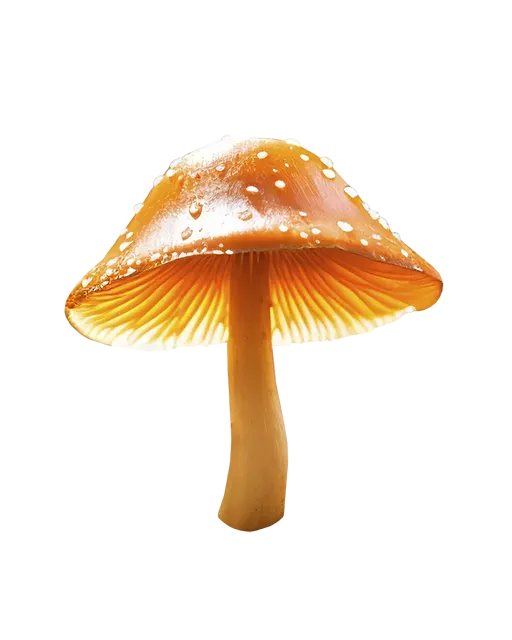
What are psilocybin mushrooms?
Psilocybin mushrooms contain psilocybin, a natural compound that produces psychedelic effects by influencing serotonin receptors in the brain.
How do psilocybin mushrooms affect the brain?
Psilocybin impacts the 5-HT2A serotonin receptors, resulting in changes to perception, thought patterns, and mood.
Are psilocybin mushrooms addictive?
They are not considered physically addictive, and tolerance develops quickly with repeated use.
What is the typical duration of a psilocybin mushroom trip?
Effects usually last between 4 to 6 hours.
Can psilocybin mushrooms be used to treat depression?
Clinical studies show psilocybin can rapidly reduce symptoms of depression, especially when paired with therapy.
What is microdosing, and how does it relate to psilocybin?
Microdosing is taking small, non-hallucinogenic amounts of psilocybin to improve mood, productivity, and creativity.
Are there risks associated with psilocybin mushroom use?
Risks include anxiety, disorientation, or triggering underlying psychological issues.
How should one prepare for a psilocybin experience?
Choose a safe, controlled setting, clear your schedule, and avoid mixing with other substances.
Can psilocybin mushrooms cause hallucinations?
Yes, they can cause visual and auditory distortions or heightened sensory experiences.
Is it legal to possess psilocybin mushrooms?
Legal status varies. In most regions, they are controlled substances, though exceptions exist for medical and research use.
What is the difference between psilocybin and psilocin?
Psilocybin converts into psilocin in the body, which is the active psychoactive chemical.
Can psilocybin mushrooms be toxic?
No, but incorrect identification with toxic mushrooms is a major danger.
How are psilocybin mushrooms consumed?
They are commonly eaten dried, brewed into tea, or infused into edibles like chocolates.
What is ego dissolution?
A deep loss of personal identity or boundaries, often reported during peak psychedelic experiences.
Can psilocybin mushrooms treat anxiety?
Studies show significant anxiety reduction in people with terminal illness.
What are the physical effects of psilocybin mushrooms?
Nausea, dilated pupils, dizziness, and occasionally body chills.
How does psilocybin affect creativity?
Many users report enhanced creative insight, divergent thinking, and emotional expressiveness.
Can psilocybin mushrooms help with addiction?
Yes. Promising results have been observed in nicotine, alcohol, and opioid addiction recovery trials.
What is the onset time for psilocybin effects?
20 to 60 minutes depending on ingestion method and metabolism.
Are there any long-term effects?
Some users report increased openness, reduced depression, and clarity weeks after use.
What is the default mode network (DMN)?
A neural network responsible for self-referential thoughts; psilocybin suppresses DMN activity.
Can psilocybin mushrooms cause flashbacks?
In rare cases, users experience HPPD, hallucinogen persisting perception disorder.
How does psilocybin compare to LSD?
Psilocybin is shorter-acting and often described as more grounded, while LSD is more intense and stimulating.
Is it safe to mix psilocybin with other substances?
Mixing is not recommended, especially with alcohol or stimulants.
Can psilocybin mushrooms be used spiritually?
Yes. They’ve been used ceremonially for centuries in indigenous traditions.
What is the legal status of psilocybin in Canada?
It remains a controlled substance, with exceptions for clinical trials and special access cases.
How does psilocybin affect serotonin?
It binds to serotonin receptors to modulate mood, sensory perception, and thought.
Can it cause psychosis?
In predisposed individuals, yes. Use with caution if there’s a history of mental illness.
How many species of psilocybin mushrooms exist?
Over 180 known species contain psilocybin.
How should psilocybin mushrooms be stored?
Keep them in an airtight container in a cool, dark, and dry place.
Do drug tests detect psilocybin?
Most standard drug tests do not detect psilocybin.
What is the history of psilocybin mushroom use?
Used for centuries by Indigenous cultures for religious and healing purposes.
Who should avoid psilocybin?
Anyone with a history of schizophrenia, bipolar disorder, or heart issues should avoid it.
How does psilocybin affect time perception?
Time often feels distorted; minutes can feel like hours.
Can psilocybin be used recreationally?
Yes, but it should be used responsibly and in safe environments.
What is 'set and setting'?
Set refers to mindset, and setting refers to environment. Both shape the experience.
Can psilocybin mushrooms be cultivated at home?
This depends on local laws. In some regions, cultivation is permitted.
Can psilocybin help with PTSD?
Early studies show reduced PTSD symptoms following guided psilocybin sessions.
How does psilocybin affect empathy?
Users often report greater empathy and emotional sensitivity.
Should you fast before taking mushrooms?
Many recommend an empty stomach for faster onset and reduced nausea.
Can it be combined with therapy?
Yes, it is highly effective when used alongside professional psychological guidance.
Is psilocybin research ongoing?
Yes. Numerous clinical trials are exploring its mental health benefits.
Does it increase neuroplasticity?
Yes. Psilocybin is shown to promote new neural growth and connectivity.
Are there drug interactions?
It can interact with SSRIs and MAOIs. Always consult a doctor.
How does psilocybin help in end-of-life care?
It reduces existential distress, improves emotional clarity, and brings peace.
Can psilocybin be used for personal growth?
Yes, many users report enhanced self-awareness, emotional breakthroughs, and perspective shifts that contribute to personal development.
What’s the safest environment to use psilocybin?
A quiet, familiar indoor space with soft lighting, relaxing music, and a trusted friend is ideal, especially for first-time users.
Are there signs of a 'bad trip' starting?
Yes, such signs include anxiety, paranoia, and racing thoughts. Deep breathing, grounding techniques, and reassurance can help shift the experience.
What tools help during integration after a trip?
Journaling, therapy, meditation, and peer support groups help process insights and apply them meaningfully after the experience.
What are the biggest benefits of psilocybin mushrooms?
Reported benefits include reduced depression and anxiety, emotional healing, increased creativity, spiritual insight, better relationships, and enhanced life meaning.